


What They Are and Why You Need Them
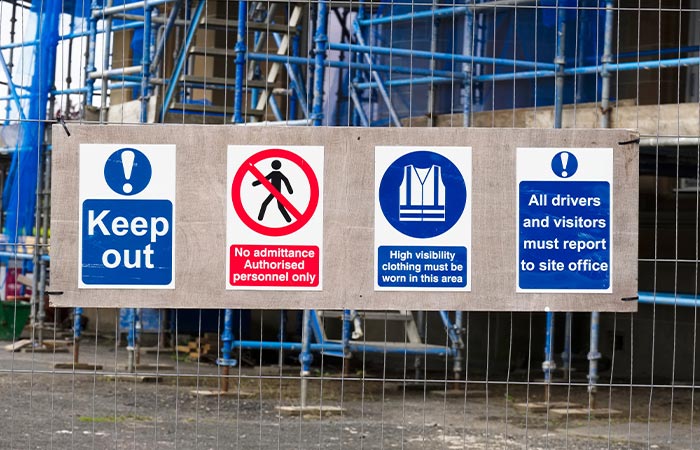
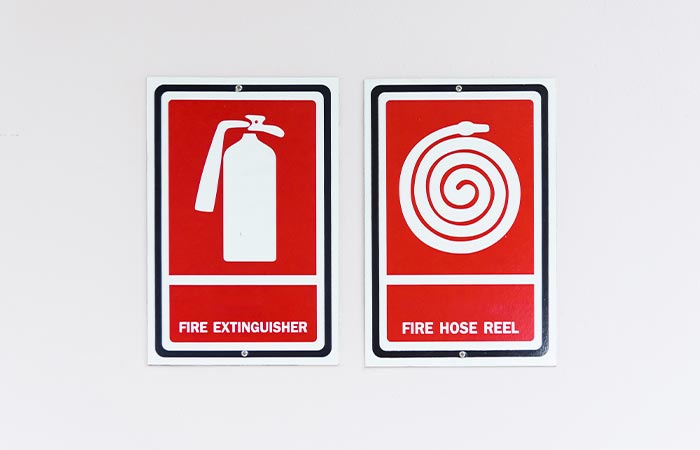
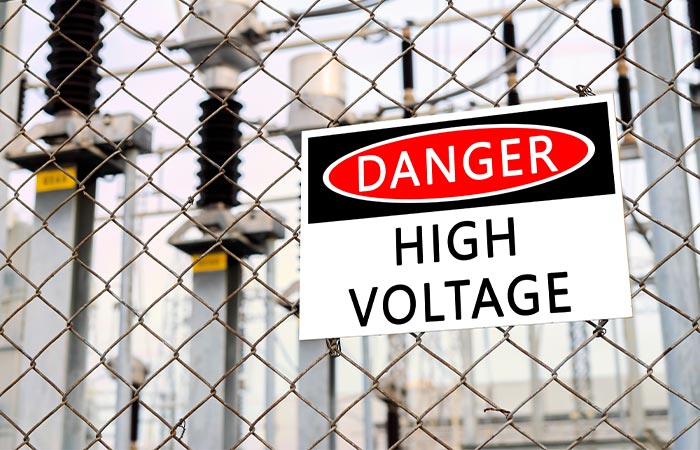
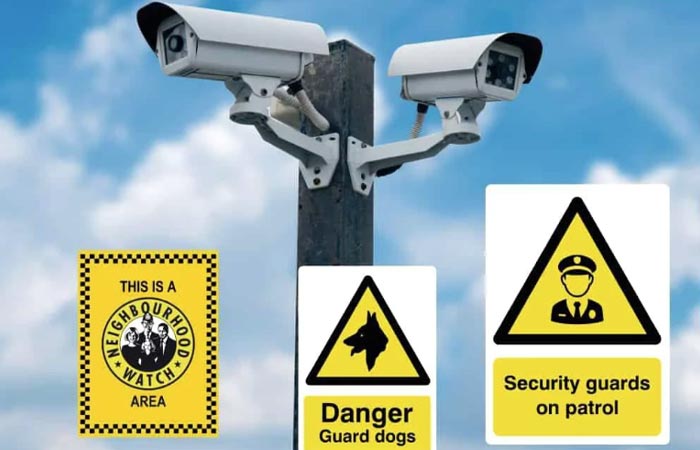
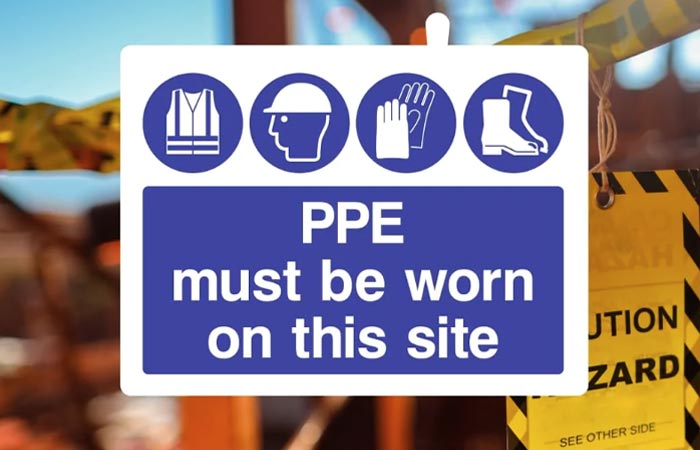
Personal Protective Equipment (PPE) is essential in keeping workers safe from hazards in the workplace. In Australia, using PPE and proper signage is a legal requirement to help protect employees from injuries. Let’s take a look at common types of PPE, how they’re used, and how PPE signs can help prevent accidents.
What is PPE and Why Are PPE Signs Important?
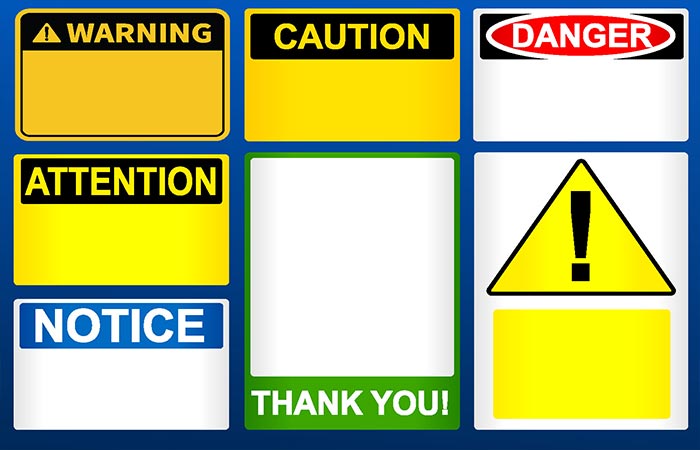
PPE is gear worn to protect workers from hazards like chemicals, noise, or sharp objects. Examples include safety helmets, gloves, and earplugs. PPE signs tell workers when and where they need to wear this equipment.
Using PPE signs helps:
- Remind workers to stay safe
- Prevent injuries or illnesses
- Ensure workplaces follow legal safety rules
Common Types of PPE and Their Uses
1. Eye Protection (Safety Goggles/Glasses)
- Use: Protects eyes from dust, debris, or chemicals.
- Sign: “Eye Protection Must Be Worn” is used in areas like construction sites or labs where particles or splashes could harm the eyes.

2. Head Protection (Safety Helmets)
- Use: Shields the head from falling objects or impacts.
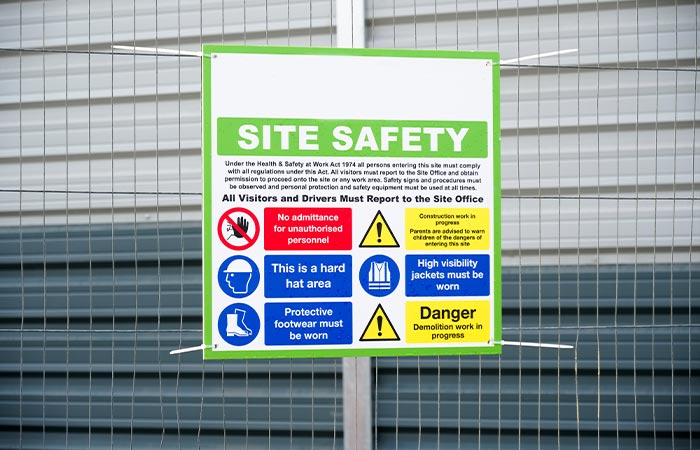
- Sign: “Hard Hats Required” is commonly seen on construction sites or industrial areas where there’s a risk of head injuries.

3. Hearing Protection (Earplugs/Earmuffs)
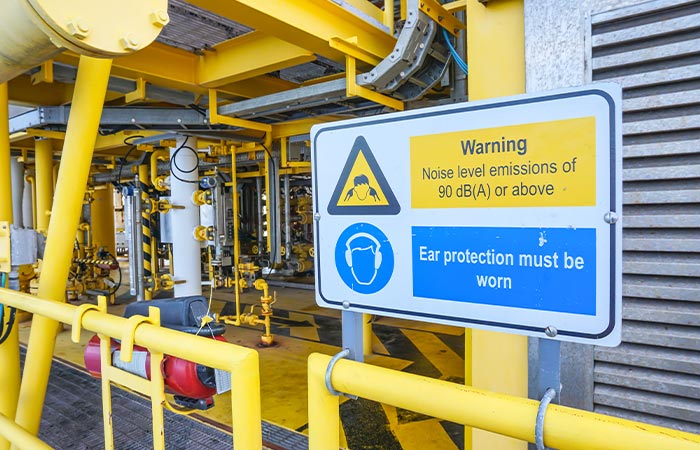
- Use: Protects ears from loud noise that could cause hearing loss.
- Sign: “Hearing Protection Must Be Worn” is found in noisy areas like factories or airports.

4. Hand Protection (Gloves)
- Use: Protects hands from cuts, burns, chemicals, or infections.
- Sign: “Gloves Must Be Worn” is often displayed in areas where workers handle chemicals or sharp tools.

5. Foot Protection (Safety Boots)
- Use: Protects feet from heavy objects, sharp items, or slippery surfaces.
- Sign: “Safety Footwear Required” is displayed in construction sites, warehouses, or areas where heavy materials are moved.

6. Respiratory Protection (Masks/Respirators)
- Use: Protects lungs from harmful dust, fumes, or chemicals.
- Sign: “Respirators Must Be Worn” is seen in places like chemical plants or construction sites.

7. Body Protection (Coveralls/Aprons)
- Use: Protects the body from chemicals, sharp objects, or heat.
- Sign: “Protective Clothing Must Be Worn” is required in areas where full-body protection is needed, such as in chemical handling.

8. Face Protection (Face Shields)**
- Use: Shields the entire face from flying debris, sparks, or splashes.
- Sign: “Face Shield Required” is used in areas where sparks or chemicals could harm the face, like welding or chemical labs.

9. Fall Protection (Harnesses)
- Use: Prevents falls from heights.
- Sign: “Fall Protection Required” is seen on construction sites where workers are working at heights, like on scaffolding.

How PPE Signs Reduce Injuries
Using PPE signs can dramatically reduce injuries in the workplace. Studies show that having clear safety signs lowers accident rates by up to 30%. For example:
- Head injuries: Sites with “Hard Hats Required” signs see 25% fewer head injury claims.
- Hearing loss: Areas with “Hearing Protection” signs report 20% fewer hearing issues.
- Respiratory protection: Sites with clear “Respirators Must Be Worn” signs have 35% fewer lung-related illnesses.
Stay Safe with PPE Signs
PPE signs are essential in ensuring safety across all Australian workplaces. They remind workers to use the right gear to protect themselves from potential hazards, and statistics show that clear signage leads to fewer injuries. All states and territories, including NSW, Victoria, Queensland, South Australia, Western Australia, Tasmania, ACT, and NT, require proper PPE signage for legal compliance and worker safety.
Need PPE signs for your workplace? GET SIGNS offers a wide range of Australian-compliant PPE signs to help keep your employees safe. Reach out to us for high-quality, custom signage solutions.